An obligation that is counted in money is not yet owned
Many Korean–Arab deals carry a duty to transfer technology. That duty is often closed as a financial credit, not as a capability the local team can run alone. Relay exists so the obligation is managed for the life of the project, in civil domains only: industry, data, and artificial intelligence.
The ownership ladder is the measure
We do not certify the end of a deal and leave. We sit inside the obligation as its manager. The Localization Doctrine is the reference: ownership is a sequence, export is the exam, and what is not verified has not happened. The contract is written so both sides receive the same report. We sell no product and we take no side in the supply.
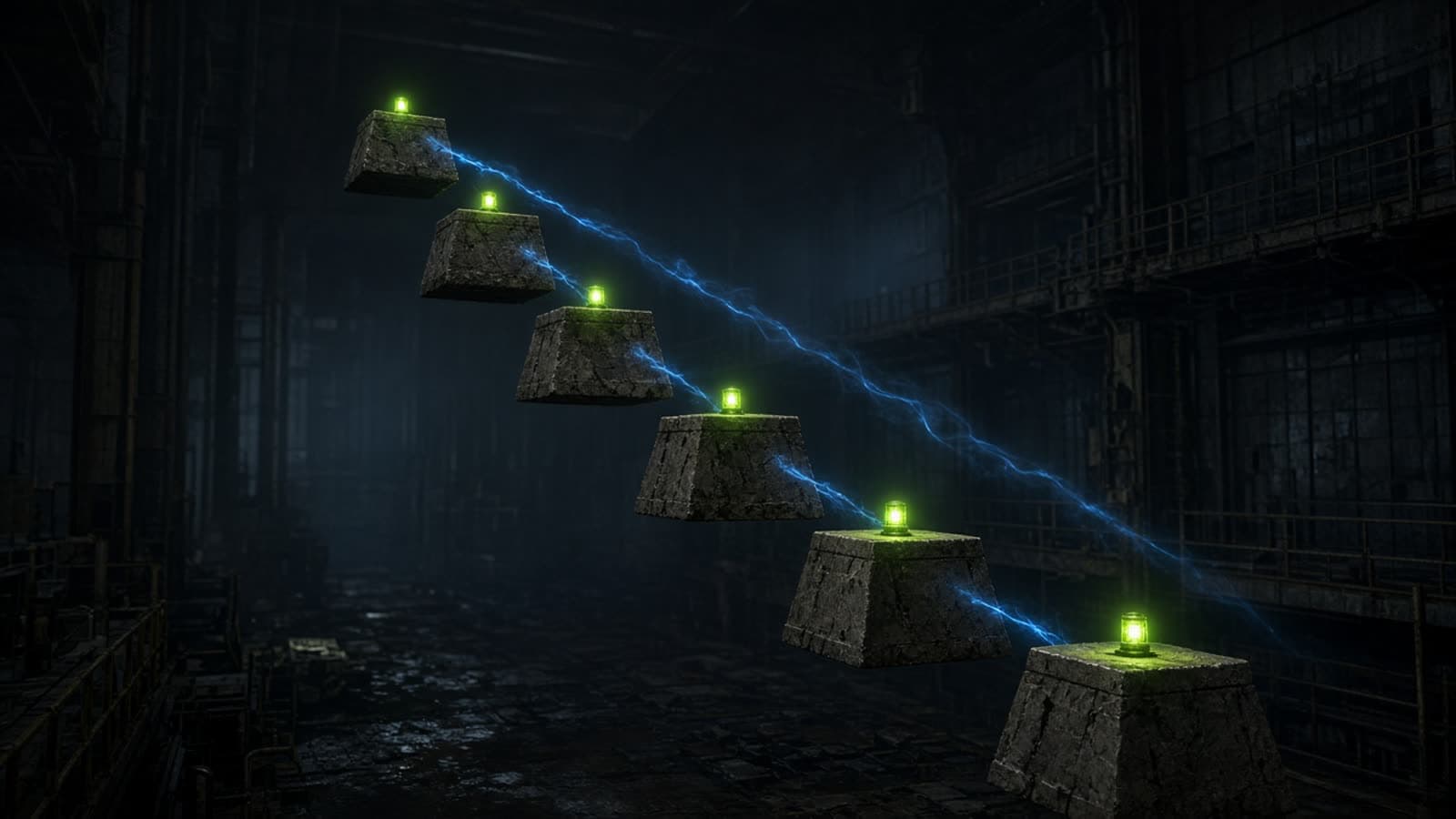
The ownership ladder
- Use
- Assemble
- Adapt
- Design
- Export
Phase 01 — Map the starting capability
We record what the local team can already do, and where the Korean counterpart actually holds the know-how. The map is the first document both sides sign.
Phase 02 — Write the transfer plan against the ladder
Each stage of the project is tied to a rung: use, assemble, adapt, design, export. A stage is complete only when the local team can perform that rung without the counterpart in the room.
Phase 03 — Execute the transfer on the ground
We run the work beside both teams: training that produces an output, documentation that another engineer can follow, and joint design only where the plan requires it.
Phase 04 — Document what the local team now does alone
The file must be auditable. If the local team cannot repeat the step, the transfer has not happened — whatever the schedule says.
Phase 05 — Report to both sides for the life of the project
The same report goes to the buyer and to the counterpart. The measure is the rung reached, not a credit closed. We stay until the last agreed rung is verified.